
Raynaud Phenomenon: Causes, Symptoms, and Treatment
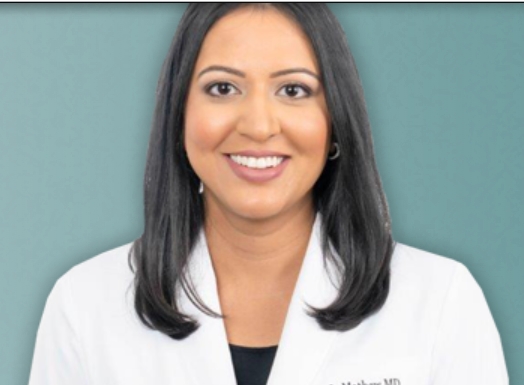
Medically reviewed by Harsha Moole, MD, Internal Medicine. Last reviewed: October 23, 2026.
What kind of doctor treats Raynaud Phenomenon?
A rheumatologist, a doctor who treats autoimmune and joint diseases, most often treats Raynaud phenomenon. A primary care doctor, a cardiologist (a heart and blood vessel doctor), or a dermatologist (a skin doctor) may help too. A direct primary care or concierge doctor can be a first stop for an evaluation and can refer you to a specialist when needed.
What is Raynaud phenomenon?
Raynaud phenomenon, also called Raynaud's disease, is a condition that makes the blood vessels in the hands and feet narrow, which limits blood flow. The episodes, called attacks, usually affect the fingers and toes. An attack usually starts after exposure to cold or emotional stress.
There are two types. Primary Raynaud phenomenon has no known cause, and it is the more common type. Secondary Raynaud phenomenon is linked to another health problem, such as lupus or scleroderma. These are autoimmune diseases, in which the body attacks its own tissue. The secondary type is less common but tends to be more serious.
Symptoms
During an attack, the affected fingers or toes go through color changes:
- The skin turns pale or white because of a lack of blood flow.
- The area then turns blue and feels cold and numb.
- As you warm up and blood flow returns, the area turns red. It may swell, tingle, burn, or throb.
An attack may last a few minutes or a few hours. For many people, especially with the primary type, symptoms are mild. People with the secondary type tend to have more severe symptoms and are more likely to have pain or tingling.
In severe cases, small and painful sores can form on the tips of the fingers or toes. Rarely, a long attack that lasts days can lead to gangrene, which is the death and decay of body tissue.
Causes and who gets it
Scientists do not know exactly why Raynaud phenomenon develops. In people with the condition, blood vessels in the hands and feet react to cold or stress. They narrow quickly and stay narrow for a long time.
Cold is the most common trigger. Emotional stress, cigarette smoking, and vaping can also cause attacks.
The primary type is more common in women than in men. It usually starts before age 30 and often begins in the teen years. Having a family member with it raises the risk.
The secondary type is linked to other problems. These include lupus, scleroderma, rheumatoid arthritis, and Sjögren's disease. Some medicines for high blood pressure, migraines, or ADHD can cause or worsen symptoms.
How doctors diagnose it
No single test diagnoses Raynaud phenomenon. Doctors usually decide based on a description of a typical attack after cold exposure. They also take a medical history and do a physical exam.
Other tests help tell the two types apart. In nailfold capillaroscopy, the doctor uses a magnifier to look at the base of your fingernails. Changes in the tiny blood vessels there can point to the secondary type. Blood tests can look for a linked disease such as lupus or scleroderma.
Treatment
The goals are to cut down how many attacks you have, make them less severe, and prevent tissue damage. For most people, staying warm prevents attacks and keeps symptoms under control. Keep your whole body warm, not only your hands and feet. If you smoke, ask your doctor about a plan to quit, because nicotine narrows blood vessels.
If warming up is not enough, medicines made for other conditions are often used. Doctors may prescribe medicines that widen the blood vessels, such as calcium channel blockers. Some medicines can make attacks worse, including decongestants and some beta blockers. Talk to your doctor about the medicines you take and before starting any new ones.
For severe cases, a procedure called sympathectomy can destroy the nerves that cause the vessels to narrow. It often relieves symptoms, but it may need to be repeated after a few years. Sores or gangrene may mean a few days in the hospital for tests and medicines through a vein. Wound care may also be needed.
When to see a doctor
Contact your health care provider if your fingers or toes turn black or the skin breaks down. Contact your provider if any of these happen:
- A sore on a hand or foot does not heal, or it becomes infected.
- Your fingers change color when cold, especially white or blue, and do not return to their usual color.
- You have a fever, swollen or painful joints, or skin rashes.
How a direct primary care or concierge doctor fits in
A direct primary care doctor charges a flat monthly fee instead of billing insurance, while a concierge doctor usually charges more and often works alongside insurance. Either kind of doctor can review your medicines for ones that trigger attacks and order first blood tests. They can refer you to a rheumatologist when needed.
Common questions
What is the difference between primary and secondary Raynaud phenomenon?
Primary Raynaud phenomenon has no known cause, while secondary Raynaud phenomenon is linked to another health problem. The primary type is more common. The secondary type is typically more serious.
Can Raynaud phenomenon cause serious problems?
Yes, in severe cases. Repeated attacks can lead to skin sores or gangrene, which is the death and decay of tissue. The secondary type is more likely to be serious.
Can medicines make Raynaud phenomenon worse?
Yes, some medicines can bring on attacks. Examples are decongestants, appetite suppressants with pseudoephedrine, beta blockers, and some migraine and ADHD medicines. Talk to your doctor about the medicines you take and before starting any new ones.
Sources
- National Institute of Arthritis and Musculoskeletal and Skin Diseases (NIAMS) - Raynaud's Phenomenon Symptoms, Types, and Risk Factors
- National Institute of Arthritis and Musculoskeletal and Skin Diseases (NIAMS) - Raynaud's Phenomenon: Diagnosis, Treatment, and Steps to Take
- MedlinePlus - Raynaud phenomenon
Medical Disclaimer
This content is for general educational and informational purposes only and is not medical advice. It is not a substitute for professional medical advice, diagnosis, or treatment, and reading it does not create a doctor-patient relationship. Always seek the advice of your physician or another qualified health provider with any questions about a medical condition, and never disregard or delay seeking professional advice because of something you read here. If you think you may have a medical emergency, call 911 (or your local emergency number) immediately.