







Gastric Lavage: What It Is and What to Expect
Medically reviewed by Harsha Moole, MD, Internal Medicine. Last reviewed: October 2, 2026.
What kind of doctor provides Gastric Lavage?
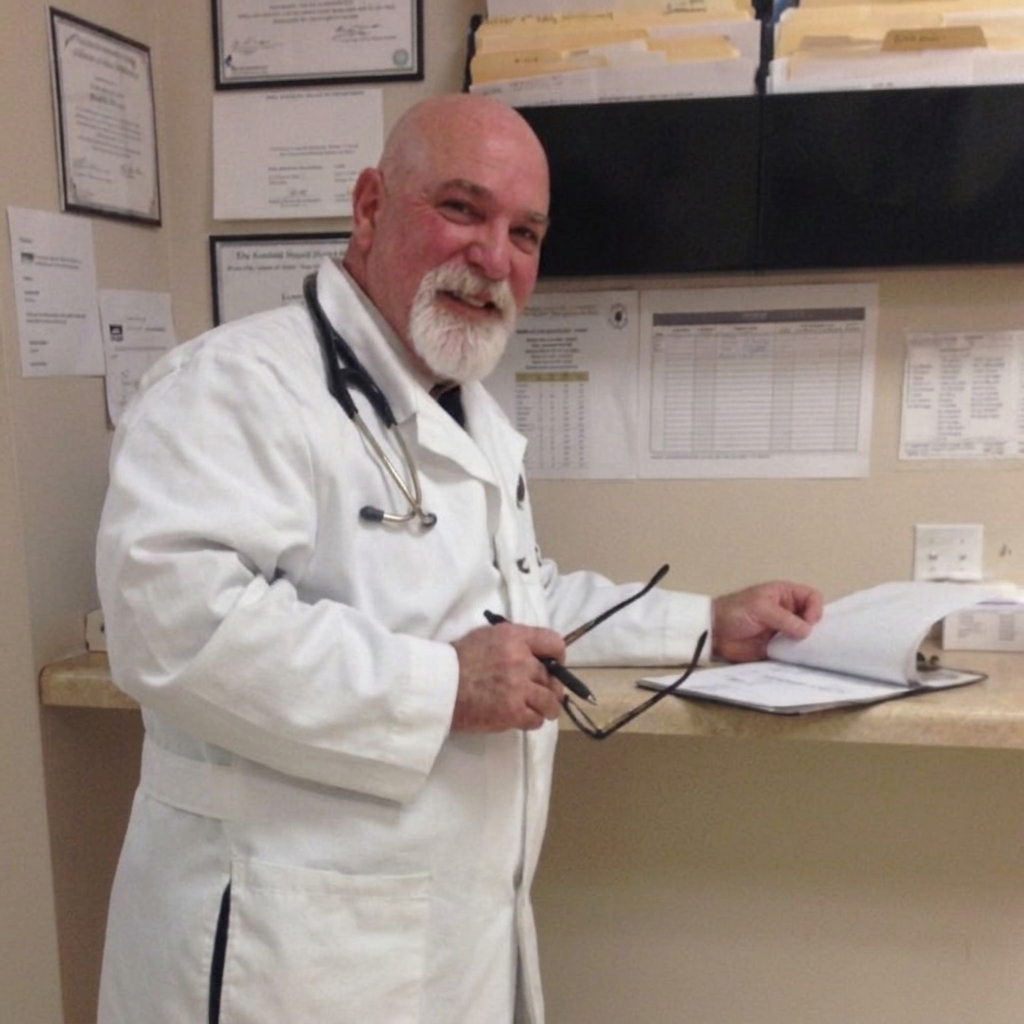
An emergency medicine doctor usually performs gastric lavage. An emergency medicine doctor is a doctor who specializes in treating sudden illness and injury. Poison control specialists often advise the team on whether the procedure is needed. Nurses often help during the process.
What it is
Gastric lavage is a procedure that empties the stomach. Doctors sometimes call it "stomach pumping." A tube goes through the mouth or nose into the stomach, where water or salt water flows in and then gets sucked back out along with the stomach's contents.
Why a doctor might recommend it
Doctors most often use gastric lavage when a person has swallowed a harmful amount of a drug or a poison, usually only if it was taken within the past hour or so. It is used far less often today because other treatments usually work as well or better. A doctor weighs the benefits against the risks before choosing it.
How to prepare
Gastric lavage is usually done in an emergency, so there is often little time to prepare. If the situation is not urgent, the care team will explain the steps and answer questions first.
- Do not eat or drink anything before the procedure if the care team tells you to stop.
- Remove dentures, glasses, or anything else in or near the mouth.
- Tell the team about any medicines you take and any allergies you have.
- Ask about consent forms, which are papers you sign to agree to the procedure.
What happens during it
The person usually lies on their left side, and the care team may use numbing spray or a relaxing drug. The doctor guides a soft, lubricated tube through the mouth or nose into the stomach. Fluid goes in and is drawn back out, often repeated until the returning fluid looks clear, taking about 15 to 30 minutes.
Recovery
After the tube comes out, the person may have a sore throat or nausea for a short time. The care team watches for problems such as trouble breathing. Some people go home the same day, while others need longer monitoring.
Risks and side effects
Gastric lavage can cause a sore throat, nosebleed, nausea, or vomiting. Serious problems are uncommon but can include fluid entering the lungs, injury to the throat or food pipe, or salt and water imbalances. Doctors use it only when benefits outweigh the harms.
Who performs it
An emergency medicine doctor usually performs gastric lavage, with nurses assisting. It is done in a hospital emergency department, not a regular doctor's office.
How a direct primary care or concierge doctor fits in
A direct primary care doctor charges a flat monthly fee instead of billing insurance. A concierge doctor usually charges more and often works alongside insurance. Either can help with follow-up after an emergency, such as managing nausea or medicine questions. If you need an urgent procedure like gastric lavage, they would send you to an emergency room right away.
Common questions
Is gastric lavage painful?
Most people find it uncomfortable rather than painful. Doctors can use numbing spray or relaxing medicine to help.
Does stomach pumping work for every overdose?
No. It only helps within a short window after the substance is swallowed, and doctors often prefer other treatments, such as an antidote, which is a medicine that reverses a poison's effects.
Can I eat after the procedure?
The care team will tell you when it is safe to eat and drink. Many people start with small sips of water.
Sources
- MedlinePlus - Gastric suction: MedlinePlus Medical Encyclopedia
- MedlinePlus - Detergent poisoning: MedlinePlus Medical Encyclopedia
Medical Disclaimer
This content is for general educational and informational purposes only and is not medical advice. It is not a substitute for professional medical advice, diagnosis, or treatment, and reading it does not create a doctor-patient relationship. Always seek the advice of your physician or another qualified health provider with any questions about a medical condition, and never disregard or delay seeking professional advice because of something you read here. If you think you may have a medical emergency, call 911 (or your local emergency number) immediately.

