







Antidote Treatment: What It Is and What to Expect
Medically reviewed by Harsha Moole, MD, Internal Medicine. Last reviewed: October 2, 2026.
What kind of doctor provides Antidote Treatment?
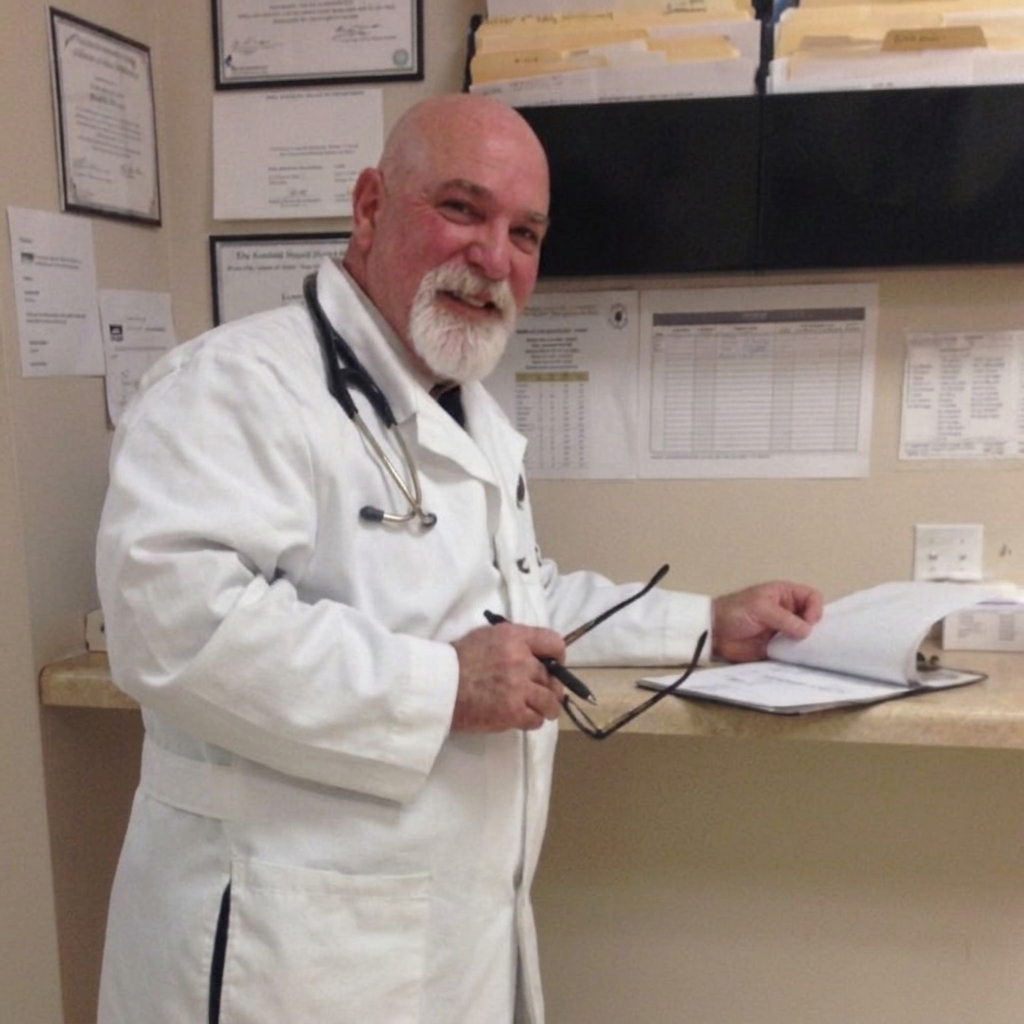
Antidote treatment is usually given in an emergency room by emergency doctors and nurses. A toxicologist, a specialist in poisons and overdoses, may also guide care. A poison control center may advise the team by phone. A direct primary care or concierge doctor can be a first stop for an evaluation and can refer you to a specialist when needed.
What it is
An antidote is a medicine that works against a poison or a drug overdose. It can block the poison, undo its effect, or help the body get rid of it faster. Not every poison has an antidote, but many common ones do, such as naloxone for opioid overdoses.
Why a doctor might recommend it
Doctors use antidotes when someone has been poisoned or has taken too much of a drug. Common reasons include an opioid overdose, an acetaminophen overdose, carbon monoxide exposure, or swallowing a harmful substance.
How to prepare
Antidote treatment is an emergency, so there is usually no time to prepare. If you are helping someone who may have been poisoned, call 911 or Poison Control at 1-800-222-1222 right away. Bring the container or name of the substance if you can.
What happens during it
The care team first checks breathing, heart rate, and alertness, and may run blood tests to identify the substance. Then they give the antidote as a shot, through a vein, or by mouth. Some antidotes work within minutes; others are given over many hours, so the person may need to stay in the hospital.
Recovery
Recovery depends on the poison, the person's health, and how fast treatment started. Many people improve once the antidote takes effect. Some poisons can cause lasting harm to organs, so follow-up care may be needed. Doctors often recommend a mental health evaluation after an intentional overdose, and support is available through the 988 Suicide and Crisis Lifeline.
Risks and side effects
Antidotes are medicines and can have side effects of their own. For example, naloxone can cause sudden withdrawal symptoms in a person dependent on opioids. Some can cause allergic reactions or drowsiness. In most emergencies, the benefit of the antidote is much greater than the risk.
Who performs it
Emergency room doctors and nurses usually give antidote treatment. Medical toxicologists often advise them, especially in complex cases. Paramedics may give certain antidotes, such as naloxone, at the scene.
How a direct primary care or concierge doctor fits in
A direct primary care or concierge doctor can help with follow-up after emergency treatment. They can check how the body is recovering, manage ongoing medicines, and arrange mental health support if needed. They do not handle the emergency itself, since antidote treatment happens in a hospital or with emergency services.
Common questions
Can I give an antidote at home?
Some antidotes, like naloxone nasal spray, are designed for use by people without medical training. Others must be given by professionals. Call Poison Control at 1-800-222-1222 before giving anything, because the wrong treatment can cause harm.
What if there is no antidote for the poison?
Doctors can still treat the symptoms and support the body while the poison wears off. This may include fluids, oxygen, or medicines to protect organs. Many people recover with supportive care alone.
How long does antidote treatment take?
It varies a lot. Some antidotes work in minutes, while others are given over a day or more. The care team will explain the plan for the specific poison involved.
Sources
- MedlinePlus - Morphine overdose: MedlinePlus Medical Encyclopedia
- MedlinePlus - Poisoning first aid: MedlinePlus Medical Encyclopedia
Medical Disclaimer
This content is for general educational and informational purposes only and is not medical advice. It is not a substitute for professional medical advice, diagnosis, or treatment, and reading it does not create a doctor-patient relationship. Always seek the advice of your physician or another qualified health provider with any questions about a medical condition, and never disregard or delay seeking professional advice because of something you read here. If you think you may have a medical emergency, call 911 (or your local emergency number) immediately.

