







Pseudohypoaldosteronism Type 2: Causes, Symptoms, and Treatment
Medically reviewed by Harsha Moole, MD, Internal Medicine. Last reviewed: October 2, 2026.
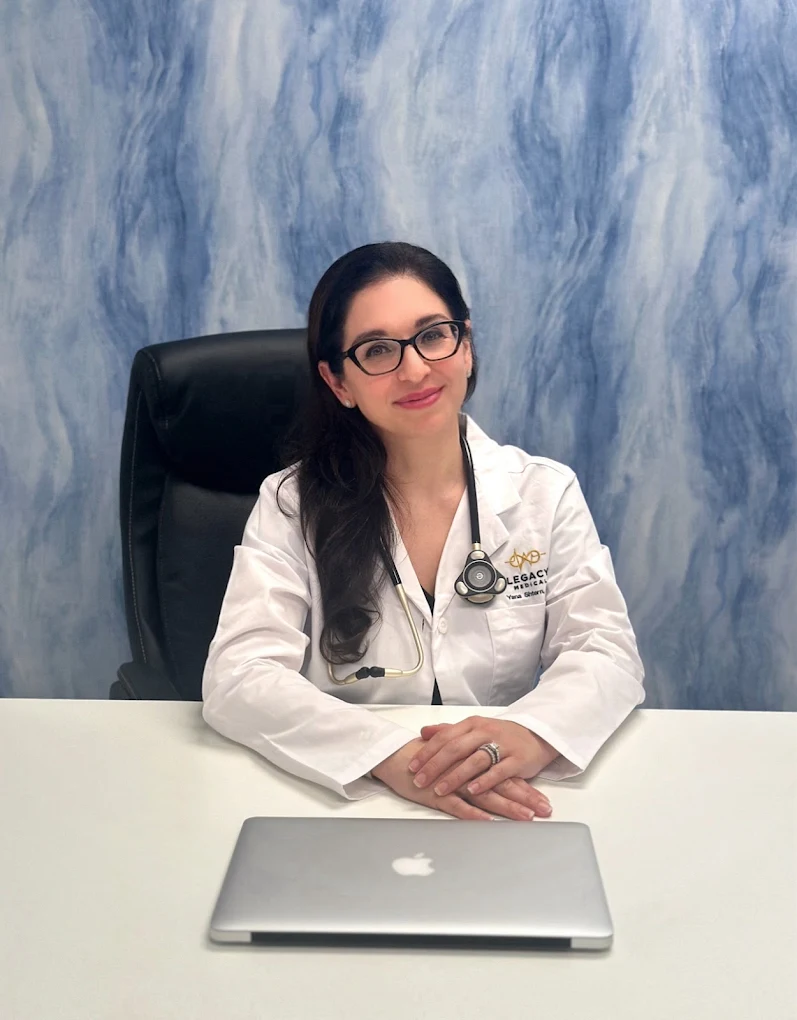
What kind of doctor treats Pseudohypoaldosteronism Type 2?
A primary care doctor often manages this condition day to day. A kidney specialist called a nephrologist may join the care team if blood pressure or potassium is hard to control, and a genetics specialist may help with testing or family planning. A direct primary care doctor, who charges a flat monthly fee instead of billing insurance, can offer longer visits and closer follow up.
What it is
Pseudohypoaldosteronism type 2 is a rare condition that changes how the kidneys handle salt. The body holds on to too much salt, pushing blood pressure up, while potassium builds up in the blood. Doctors sometimes call it Gordon syndrome. The name comes from aldosterone, a hormone that normally helps the body hold on to salt and get rid of potassium. In this condition the body acts as if aldosterone is not working, even when it is. That is why it is called "pseudo," which means false.
Symptoms
Many people have no symptoms; doctors often find it during a routine blood test. When symptoms appear, they come from high blood pressure and high potassium. High blood pressure often starts at a young age. Very high potassium can cause muscle weakness or an abnormal heartbeat.
Causes and who gets it
The condition is caused by changes in genes affecting proteins called WNK kinases, which help control salt handling in the kidney. It often runs in families through autosomal dominant inheritance, meaning a child needs the changed gene from only one parent.
How doctors diagnose it
Doctors start with blood tests measuring potassium, acid levels, and kidney function. The pattern of high blood pressure, high potassium, and too much acid points toward the diagnosis. Genetic testing can confirm it and show which family members might have it.
Treatment
Treatment focuses on lowering blood pressure and bringing potassium down to a safe level. Doctors often prescribe thiazide diuretics, water pills that help the kidneys get rid of extra salt and fluid. Some people also need a medicine that binds to potassium in the gut. Eating less salt and avoiding potassium supplements helps.
When to see a doctor
Anyone with high blood pressure at a young age, or a family history of high blood pressure and high potassium, should talk to a doctor. Seek care right away for severe muscle weakness or a pounding, racing, or uneven heartbeat.
Common questions
Is pseudohypoaldosteronism type 2 curable?
There is no cure, because the condition comes from a change in genes. However, treatment with medicines and diet changes usually keeps blood pressure and potassium in a safe range. Results differ from person to person.
Will I pass it to my children?
In many families, yes. The condition often passes in an autosomal dominant pattern. This means each child of an affected parent has a one in two chance of inheriting it. A genetics specialist can explain the pattern in a specific family.
Can it go away on its own?
No, the gene change that causes the condition does not go away. Some people have mild forms and may not need strong treatment. Doctors monitor blood levels over time to decide what care is needed.
Is it the same as regular high blood pressure?
No. Regular high blood pressure usually does not come with high potassium. The combination of high blood pressure and high potassium is what makes this condition different.
Sources
- MedlinePlus - Pseudohypoaldosteronism type 2
- NIH Genetic and Rare Diseases Information Center - Pseudohypoaldosteronism, type 2
Medical Disclaimer
This content is for general educational and informational purposes only and is not medical advice. It is not a substitute for professional medical advice, diagnosis, or treatment, and reading it does not create a doctor-patient relationship. Always seek the advice of your physician or another qualified health provider with any questions about a medical condition, and never disregard or delay seeking professional advice because of something you read here. If you think you may have a medical emergency, call 911 (or your local emergency number) immediately.