






Pik3ca Related Overgrowth Spectrum: Causes, Symptoms, and Treatment
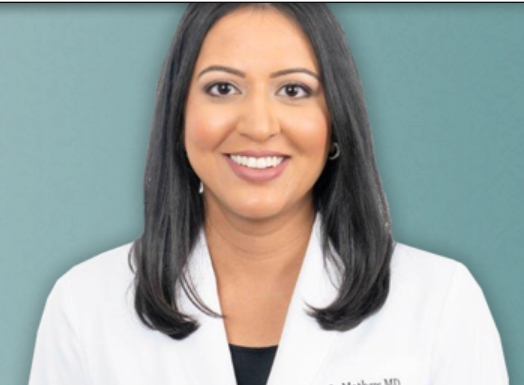
Medically reviewed by Harsha Moole, MD, Internal Medicine. Last reviewed: October 2, 2026.
What kind of doctor treats Pik3ca Related Overgrowth Spectrum?
Endocrinologists often help manage this condition, and many patients also see geneticists. Surgeons or other specialists may be involved, and a primary care doctor usually coordinates this team. A direct primary care or concierge doctor can be a first stop for an evaluation and can refer you to a specialist when needed.
What it is
Pik3ca related overgrowth spectrum is a group of rare conditions in which parts of the body grow larger than they should. The name comes from PIK3CA, a gene that helps control cell growth. When a change in this gene happens before birth, some body parts can grow too much, affecting fat, blood vessels, bone, skin, or the brain.
Symptoms
Symptoms vary a lot from person to person. Some people have one arm, one leg, or a few fingers that are larger than the others. Others have extra fat or skin, birthmarks, or patches of red or darker skin. In some cases the overgrowth affects the brain and can lead to seizures.
Causes and who gets it
The cause is a change, called a mutation, in the PIK3CA gene. This change usually happens by chance shortly after fertilization, so it is not passed down from a parent. Because only some cells carry the change, doctors call it a mosaic condition, which is why the overgrowth often affects only part of the body.
How doctors diagnose it
Doctors often suspect the condition from a physical exam. Imaging tests such as MRI can show which tissues are affected. Genetic testing, often done on a sample of the affected tissue, can confirm the diagnosis. Sometimes a sample of the affected tissue is tested instead, because the changed gene may not appear in the blood.
Treatment
There is no single treatment that works for everyone, and care often involves several specialists. Some people take a medicine called sirolimus, which slows down the growth of cells. Surgery can remove extra tissue or even out the length of a leg or arm. Other treatments may address blood vessel, skin, or brain problems.
When to see a doctor
Talk to a doctor if a child has a body part growing much faster or larger than expected, or birthmarks with unusual swelling nearby. Seek care promptly for seizures, sudden pain, or signs of a blood clot, such as swelling, warmth, and pain in a limb.
How a direct primary care or concierge doctor fits in
A direct primary care doctor charges a flat monthly fee instead of billing insurance, while a concierge doctor usually charges more and often works alongside insurance. Either one can be a steady home base, handling routine monitoring, ordering tests, and referring to specialists when needed.
Common questions
Is Pik3ca related overgrowth spectrum cancer?
No, the overgrowth itself is not cancer. However, doctors monitor patients regularly. A small number of studies have looked at growths in people with this condition, and follow up helps catch any concerning changes early.
Can it be passed to my children?
In most cases, no. The gene change usually happens by chance after fertilization and is not found in the parents. So the chance of it happening again in a future pregnancy is considered very low.
Will my child outgrow it?
The overgrowth does not usually go away on its own. Growth may slow after childhood, but the differences in size often remain. Treatment focuses on managing the effects over time.
Is there a cure?
There is no cure at this time. Medicines and surgery can reduce the overgrowth and improve function for many people, but results differ from person to person.
Sources
- National Organization for Rare Disorders (NORD) - PIK3CA-Related Overgrowth Spectrum
- MedlinePlus - PIK3CA gene: MedlinePlus Genetics
Medical Disclaimer
This content is for general educational and informational purposes only and is not medical advice. It is not a substitute for professional medical advice, diagnosis, or treatment, and reading it does not create a doctor-patient relationship. Always seek the advice of your physician or another qualified health provider with any questions about a medical condition, and never disregard or delay seeking professional advice because of something you read here. If you think you may have a medical emergency, call 911 (or your local emergency number) immediately.