





Opsismodysplasia: Causes, Symptoms, and Treatment
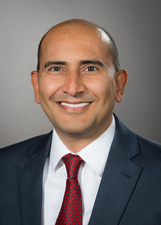
Medically reviewed by Harsha Moole, MD, Internal Medicine. Last reviewed: October 2, 2026.
What kind of doctor treats Opsismodysplasia?
A pediatrician or family doctor usually manages day-to-day care and refers the family to specialists such as a geneticist or an orthopedic specialist; some children also see a lung or hormone specialist. A direct primary care or concierge doctor can be a first stop for an evaluation and can refer you to a specialist when needed.
What it is
Opsismodysplasia is a very rare bone growth condition present from birth. The name comes from Greek words meaning a delayed appearance, because bones grow and harden much more slowly than normal. Most people with the condition are shorter than average.
Symptoms
Signs usually show up before birth or in early childhood. Babies may be born shorter than expected, with short arms and legs. The ribs can be small, which in some babies makes breathing harder. Other signs include a large soft spot on the head that stays open longer than usual, a small nose, and short hands and feet. Some children have loose joints, a curved spine, or delayed movement milestones.
Causes and who gets it
Opsismodysplasia is caused by mutations in a gene named INPPL1, which helps control signals that guide bone growth. It is passed down in an autosomal recessive pattern: a child must get one changed copy from each parent, while carriers with one changed copy have no symptoms.
How doctors diagnose it
Doctors may see short limbs on an ultrasound before birth. After birth, X-rays can show the specific bone patterns, and a genetic test can confirm the diagnosis. Because the condition is so rare, doctors may check for other conditions first.
Treatment
There is no cure. Treatment focuses on managing symptoms: some babies need breathing support, doctors may recommend growth hormone, physical therapy can help with movement delays, and some children need surgery on the spine or joints. Regular checkups track growth and development.
When to see a doctor
Talk to a doctor if a baby is much shorter than expected, has unusually short arms or legs, or has a soft spot that stays very large past the first months. Trouble breathing in a newborn needs attention right away. If a child is slow to sit, stand, or walk, a checkup is a good idea.
How a direct primary care or concierge doctor fits in
A direct primary care doctor charges a flat monthly fee instead of billing insurance; a concierge doctor usually charges more and often works alongside insurance. Either can track growth, order tests, manage medicines, and coordinate with specialists.
Common questions
Is opsismodysplasia life threatening?
It can be serious in newborns when small ribs make breathing difficult. With modern medical care, many children survive and grow into adulthood. How well a child does depends on how severe the bone and breathing problems are.
Can opsismodysplasia be prevented?
There is no known way to prevent it, because it is caused by a gene change passed down from parents. Couples with a family history can talk to a genetic counselor before or during pregnancy. A genetic counselor is a trained expert who explains inherited conditions and testing options.
Will my child be able to walk?
Many children with opsismodysplasia learn to walk, though some reach this milestone later than other children. Physical therapy often helps. Each child's outcome is different, so the care team can give a clearer picture over time.
How common is opsismodysplasia?
It is extremely rare, with only a few dozen cases reported in medical literature worldwide. Because it is so uncommon, many family doctors will never see a case and will work with specialists to confirm the diagnosis.
Sources
Medical Disclaimer
This content is for general educational and informational purposes only and is not medical advice. It is not a substitute for professional medical advice, diagnosis, or treatment, and reading it does not create a doctor-patient relationship. Always seek the advice of your physician or another qualified health provider with any questions about a medical condition, and never disregard or delay seeking professional advice because of something you read here. If you think you may have a medical emergency, call 911 (or your local emergency number) immediately.

