






Hereditary Mucoepithelial Dysplasia: Causes, Symptoms, and Treatment
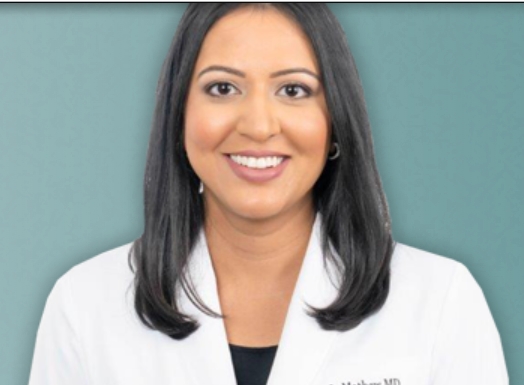
Medically reviewed by Harsha Moole, MD, Internal Medicine. Last reviewed: October 2, 2026.
What kind of doctor treats Hereditary Mucoepithelial Dysplasia?
A primary care doctor usually coordinates care, and patients often see specialists: an ophthalmologist for eyes, a pulmonologist for breathing, a dermatologist for skin and hair, and an ear, nose, and throat doctor for sinus and airway problems. A direct primary care or concierge doctor can be a first stop for an evaluation and can refer you to a specialist when needed.
What is hereditary mucoepithelial dysplasia?
Hereditary mucoepithelial dysplasia is a very rare condition that a person is born with. It affects the wet, inner linings of the body, called mucous membranes, which cover places like the mouth, eyes, nose, and airways.
The word dysplasia means that cells do not grow or look the way they should. In hereditary mucoepithelial dysplasia, the cells lining the wet surfaces of the body do not develop normally, so the eyes, mouth, airways, bladder, and skin can be affected.
Symptoms
- Eye irritation, redness, and vision problems from long-lasting inflammation of the cornea.
- Mouth and nose problems, such as a stuffy nose, frequent sinus infections, and irritation inside the mouth.
- Breathing problems, including a lasting cough and repeated lung infections.
- Skin and hair changes, such as patchy hair loss, sparse eyebrows, and rough skin patches.
- Bladder irritation, which can cause discomfort or blood in the urine.
Causes and who gets it
The condition is genetic, caused by a change in a gene passed down in families. It is thought to be autosomal dominant, so a child of an affected parent has a one in two chance of having it.
How doctors diagnose it
Doctors look at the pattern of symptoms, such as eye, airway, skin, and hair problems that started early in life. A biopsy can show the unusual cell changes, and genetic testing can help confirm the diagnosis.
Treatment
There is no cure, so treatment focuses on easing symptoms and protecting the eyes and lungs. Eye drops and regular eye care can reduce inflammation and protect vision. Lung infections are treated with medicines, and skin concerns can be managed with a dermatologist.
When to see a doctor
See a doctor for ongoing eye redness, pain, or vision changes, since early care can protect eyesight. Get checked for a lasting cough, repeated chest infections, or trouble breathing.
How a direct primary care or concierge doctor fits in
A direct primary care doctor charges a flat monthly fee instead of billing insurance, while a concierge doctor usually charges more and often works alongside insurance. Either kind can be a good home base for a rare condition, offering longer appointments, easier access, and specialist referrals.
Common questions
Is hereditary mucoepithelial dysplasia contagious?
No. It is a genetic condition that a person is born with, so it cannot be passed to others through contact. It can run in families through genes.
Can it be cured?
There is no known cure. Care focuses on managing symptoms and protecting the eyes and lungs over time.
Will my children have it?
Because it is thought to be autosomal dominant, a parent with the condition has a one in two chance of passing it to each child. A genetic counselor can explain this in more detail for a specific family.
How common is it?
It is extremely rare, and only a small number of cases have been reported in the medical literature. Exact numbers are not known.
Sources
Medical Disclaimer
This content is for general educational and informational purposes only and is not medical advice. It is not a substitute for professional medical advice, diagnosis, or treatment, and reading it does not create a doctor-patient relationship. Always seek the advice of your physician or another qualified health provider with any questions about a medical condition, and never disregard or delay seeking professional advice because of something you read here. If you think you may have a medical emergency, call 911 (or your local emergency number) immediately.

