







Gastroesophageal Junction Cancer: Causes, Symptoms, and Treatment
Medically reviewed by Harsha Moole, MD, Internal Medicine. Last reviewed: October 2, 2026.
What kind of doctor treats Gastroesophageal Junction Cancer?
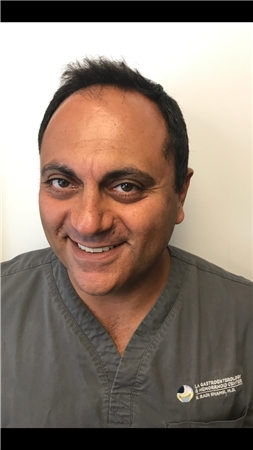
A gastroenterologist, a doctor who specializes in the digestive system, usually diagnoses this cancer. Treatment often involves a team including a surgeon, an oncologist, a radiation specialist, and the gastroenterologist. A direct primary care or concierge doctor can be a first stop for an evaluation and can refer you to a specialist when needed.
What it is
Gastroesophageal junction cancer starts where the esophagus meets the stomach. Cancer happens when cells there grow out of control and form a tumor. This cancer is often grouped with stomach cancer or esophageal cancer, depending on where it starts.
Symptoms
Early on, this cancer may not cause any symptoms. When symptoms appear, they can include trouble swallowing, feeling full quickly, chest pain, and unplanned weight loss. These symptoms can also come from less serious problems like acid reflux, so only testing can tell what is really causing them.
Causes and who gets it
Long-term acid reflux, also called GERD, can damage the esophagus lining and lead to Barrett's esophagus, which can become cancer over time. Other risk factors include being older, male, smoking, heavy alcohol use, obesity, and a diet low in fruits and vegetables. Risk goes up with age, and most cases happen in people over 50.
How doctors diagnose it
Doctors usually start with an upper endoscopy, using a thin tube with a camera to look at the esophagus and stomach. If they see something unusual, they take a biopsy and check it under a microscope. Imaging scans like CT or PET help show whether the cancer has spread and figure out the stage.
Treatment
Treatment depends on the stage and the person's overall health. Surgery to remove the tumor is common for cancers that have not spread far. Chemotherapy, radiation therapy, or a combination are often used, sometimes before surgery to shrink the tumor.
When to see a doctor
See a doctor if you have trouble swallowing, unexplained weight loss, or belly pain that lasts more than a few days. Frequent heartburn that does not improve also deserves a visit. If you have Barrett's esophagus, regular checkups can watch for changes.
How a direct primary care or concierge doctor fits in
A direct primary care doctor charges a flat monthly fee instead of billing insurance, while a concierge doctor usually charges more and often works alongside insurance. Either can evaluate heartburn and reflux, order initial tests, and manage conditions like GERD. If symptoms point to something serious, they will refer you to a gastroenterologist and, if needed, a cancer care team.
Common questions
Is gastroesophageal junction cancer the same as stomach cancer?
It is closely related but not exactly the same. It starts right at the border where the esophagus meets the stomach, and doctors classify it based on where the tumor begins.
Can acid reflux turn into cancer?
Most people with acid reflux never get cancer. However, long-term reflux can cause Barrett's esophagus in some people, and that condition raises the risk.
Is this cancer curable?
Some people are cured, especially when the cancer is found early and can be removed with surgery. Outcomes vary depending on the stage at diagnosis and the person's health.
Sources
Medical Disclaimer
This content is for general educational and informational purposes only and is not medical advice. It is not a substitute for professional medical advice, diagnosis, or treatment, and reading it does not create a doctor-patient relationship. Always seek the advice of your physician or another qualified health provider with any questions about a medical condition, and never disregard or delay seeking professional advice because of something you read here. If you think you may have a medical emergency, call 911 (or your local emergency number) immediately.