






Familial Chronic Mucocutaneous Candidiasis: Causes, Symptoms, and Treatment
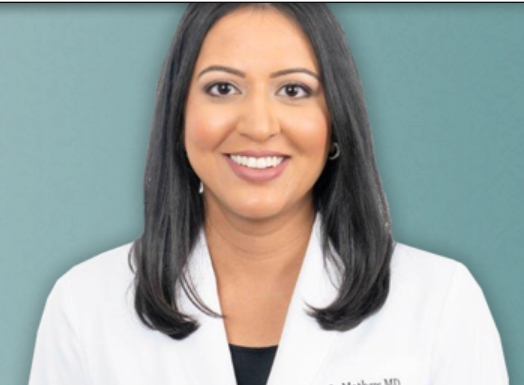
Medically reviewed by Harsha Moole, MD, Internal Medicine. Last reviewed: October 2, 2026.
What kind of doctor treats Familial Chronic Mucocutaneous Candidiasis?
A primary care doctor usually manages day-to-day care. Because this is a rare immune condition, many patients also see an immunologist or infectious disease doctor. Skin and nail infections may need a dermatologist. A direct primary care or concierge doctor can be a first stop for an evaluation and can refer you to a specialist when needed.
What it is
Familial chronic mucocutaneous candidiasis is a rare genetic condition that affects the immune system, the body's defense against germs. People with this condition have trouble fighting off Candida, the yeast that causes thrush and other infections. The infections stay on the skin, in the mouth, and on other moist surfaces; they do not spread into the bloodstream. The word "familial" means the condition can run in families.
Symptoms
The main sign is repeated or long-lasting Candida infections, often appearing in the mouth as thrush, which looks like white patches on the tongue or cheeks. Infections can also affect the skin, nails, and scalp, and nails may become thick, cracked, or discolored. Symptoms vary from person to person.
Causes and who gets it
This condition is caused by changes in genes. In many families, the changed gene is passed down in an autosomal dominant pattern, meaning a child needs only one copy from one parent. In others, the pattern is autosomal recessive. The condition is very rare and affects boys and girls.
How doctors diagnose it
Doctors start with a medical history and a physical exam, looking at the mouth, skin, and nails for signs of Candida. They may take a sample to confirm the fungus is present. Genetic testing can confirm the diagnosis and show which gene is involved.
Treatment
Treatment focuses on controlling the Candida infections with antifungal medicines, taken by mouth or applied to the skin and nails. Infections often improve but tend to come back, so many people need medicine on and off for a long time. There is no cure for the underlying genetic change, but treatment can keep infections under control.
When to see a doctor
Anyone with white patches in the mouth, repeated yeast infections, or nail changes that do not go away should see a doctor. Early care can prevent infections from getting worse.
How a direct primary care or concierge doctor fits in
A direct primary care doctor charges a flat monthly fee instead of billing insurance; a concierge doctor usually charges more and often works alongside insurance. Either type can prescribe antifungal medicines, order lab tests, and monitor infections, referring to a specialist when needed.
Common questions
Is familial chronic mucocutaneous candidiasis contagious?
No. The Candida fungus can pass between people in some settings, but the condition itself is genetic and cannot be caught. The problem lies in the immune system, not in exposure to germs.
Can it be cured?
There is no cure for the genetic change that causes the condition. Antifungal medicines usually control the infections, though they often return when treatment stops. Results vary from person to person.
Will my children have it?
It depends on the inheritance pattern in your family. With an autosomal dominant pattern, each child has a one in two chance of inheriting the changed gene. A genetic counselor can explain the specific risk for your family.
Is it dangerous?
The infections in this condition usually stay on the skin, mouth, and nails and do not spread through the body. The main problems are discomfort and repeated treatment needs. Some people have other immune or gland issues that a doctor should monitor.
Sources
- NIH Genetic and Rare Diseases Information Center - Chronic mucocutaneous candidiasis
- MedlinePlus Genetics - Familial candidiasis
Medical Disclaimer
This content is for general educational and informational purposes only and is not medical advice. It is not a substitute for professional medical advice, diagnosis, or treatment, and reading it does not create a doctor-patient relationship. Always seek the advice of your physician or another qualified health provider with any questions about a medical condition, and never disregard or delay seeking professional advice because of something you read here. If you think you may have a medical emergency, call 911 (or your local emergency number) immediately.