







Developmental Reading Disorder: Causes, Symptoms, and Treatment
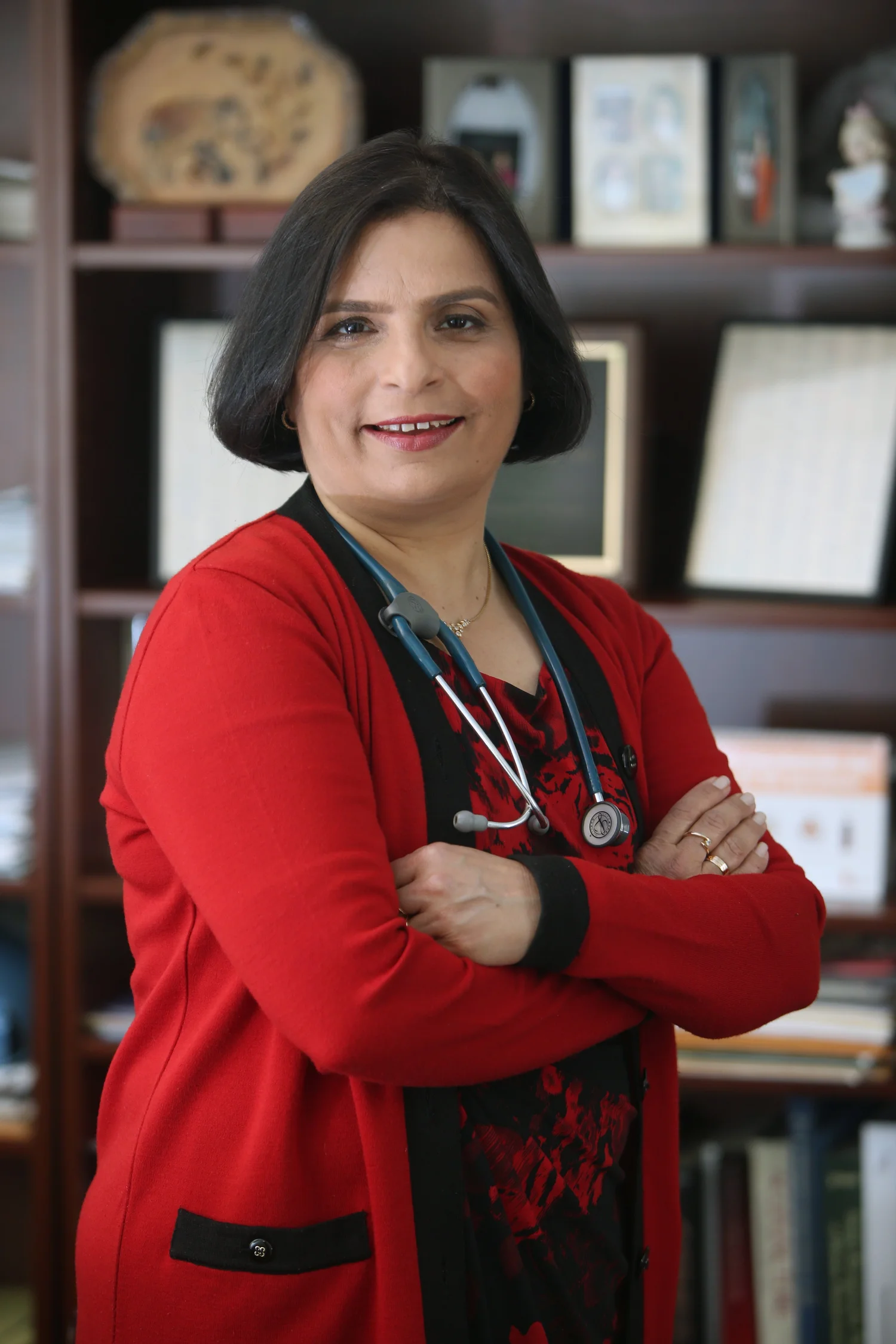
Medically reviewed by Harsha Moole, MD, Internal Medicine. Last reviewed: October 2, 2026.
What kind of doctor treats Developmental Reading Disorder?
A primary care doctor is often the first person families talk to and can rule out vision or hearing problems and refer the family to the right specialists. A psychiatrist may be involved, especially if there are other concerns like ADHD. Psychologists and learning specialists usually do the detailed testing.
What is developmental reading disorder?
Developmental reading disorder is a learning condition that makes it hard to read, even when a person is smart and tries hard. Doctors also call it dyslexia. It affects the way the brain connects letters with sounds, so reading takes extra effort.
Dyslexia is one of the most common learning disorders. It is not a problem with eyesight, hearing, or intelligence. Instead, the brain processes written words in a different way, so a person may read slowly, mix up letters, or struggle to sound out new words.
Symptoms
Signs often show up when a child first learns to read. Common signs include reading well below the level expected for age, trouble sounding out words, and slow or effortful reading. A child may also avoid reading out loud or have trouble spelling.
Causes and who gets it
Dyslexia tends to run in families, and differences in how certain parts of the brain work seem to be involved. It affects people of all backgrounds and all levels of intelligence, and nothing a parent did causes it.
How doctors diagnose it
There is no single test for dyslexia. A doctor will ask about reading, school history, and family history, and check vision and hearing to rule out other causes. A psychologist or learning specialist usually gives tests that measure reading, language, and thinking skills.
Treatment
The main treatment is extra teaching that focuses on reading skills, often structured lessons that teach the links between letters and sounds step by step. Schools may provide accommodations, such as extra time on tests or audiobooks. There is no medicine for dyslexia itself, though medicine may help if a person also has ADHD. Adults can still build reading skills with tutoring and practice.
When to see a doctor
Talk to a doctor if a child is much slower to read than classmates, strongly avoids reading, or struggles with spelling despite good teaching. Early help usually works best.
How a direct primary care or concierge doctor fits in
A direct primary care doctor charges a flat monthly fee instead of billing insurance, while a concierge doctor usually charges more and often works alongside insurance. Either type can spend longer visits on concerns like reading trouble, screen for related conditions, and manage problems such as ADHD directly.
Common questions
Is dyslexia the same as seeing letters backwards?
No. Reversing letters is a common myth. The core problem is trouble connecting letters with sounds, which makes reading slow and effortful.
Can adults have dyslexia?
Yes. Many adults were never diagnosed as children. They may read slowly, avoid reading tasks, or struggle with spelling, and testing can confirm it at any age.
Does dyslexia mean a person is not smart?
No. Dyslexia has nothing to do with intelligence. Many people with dyslexia succeed in demanding careers.
Will a child outgrow dyslexia?
Dyslexia usually does not go away on its own. With good teaching and support, most people learn to read well and manage it throughout life.
Sources
- MedlinePlus - Developmental reading disorder
- National Organization for Rare Disorders (NORD) - Intellectual developmental disorder with autism and speech delay - National Organization for Rare Disorders
Medical Disclaimer
This content is for general educational and informational purposes only and is not medical advice. It is not a substitute for professional medical advice, diagnosis, or treatment, and reading it does not create a doctor-patient relationship. Always seek the advice of your physician or another qualified health provider with any questions about a medical condition, and never disregard or delay seeking professional advice because of something you read here. If you think you may have a medical emergency, call 911 (or your local emergency number) immediately.