







Desbuquois Syndrome: Causes, Symptoms, and Treatment
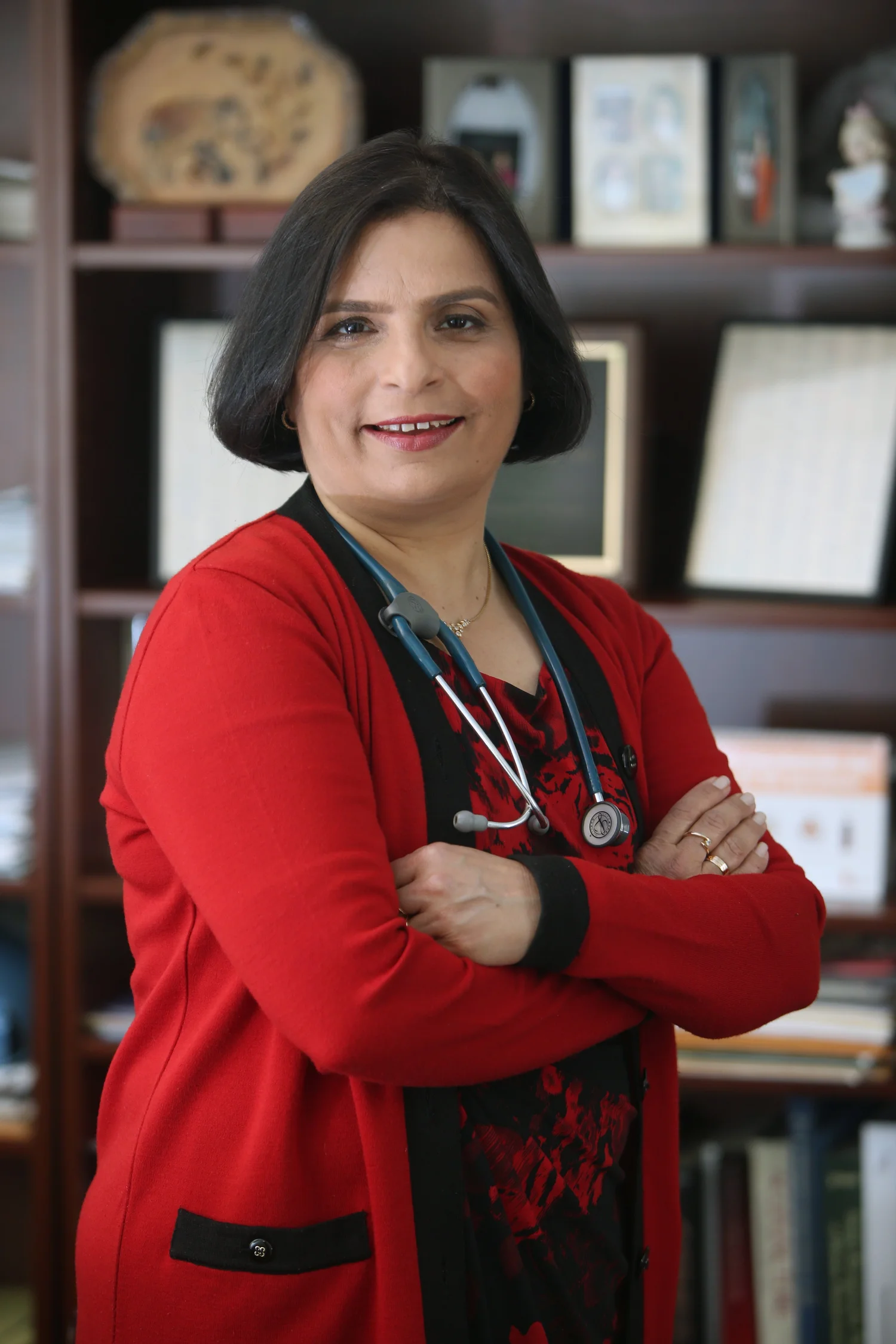
Medically reviewed by Harsha Moole, MD, Internal Medicine. Last reviewed: October 2, 2026.
What kind of doctor treats Desbuquois Syndrome?
A pediatrician or family doctor usually coordinates care. Because the condition is so rare, the child will likely also see specialists, which may include a medical geneticist, an orthopedic surgeon for bone problems, and a pulmonologist for breathing issues. The primary care doctor keeps the whole team working together.
What it is
Desbuquois syndrome is a very rare condition present from birth. It affects how bones grow before and after birth. The main features are short stature and changes in the shape of the hands and fingers. Because it is so rare, care often involves a team of doctors.
Symptoms
The most noticeable signs are short height and distinctive hands, often with extra finger creases and long, bent fingers. Other features can include a flat facial appearance, small chin, curved spine, and joint looseness. Some children have breathing problems.
Causes and who gets it
Desbuquois syndrome is caused by changes in genes that help the body build cartilage and bone, most often a gene called CANT1. A child inherits one changed copy from each parent, who are usually just carriers. It affects boys and girls worldwide.
How doctors diagnose it
Doctors look at the child's features, measure growth, and take X-rays to check the bones. Genetic testing can confirm the diagnosis. Sometimes signs are seen on ultrasound before a baby is born.
Treatment
There is no cure, but treatment addresses each child's problems. Surgery can fix bone or joint issues, and braces or physical therapy help with movement. Breathing, feeding, and eye or heart issues are watched closely and treated by specialists.
When to see a doctor
Talk to a doctor if a baby has unusually short arms or legs, unusual hand shapes, or trouble breathing. Feeding problems or missed movement milestones are also reasons to seek medical advice. If a child already has the diagnosis, any new breathing trouble or sudden change in health deserves a prompt call to the care team.
How a direct primary care or concierge doctor fits in
A direct primary care doctor, who charges a flat monthly fee instead of billing insurance for visits, can handle routine checkups, growth tracking, and coordination with specialists. A concierge doctor offers similar access but usually costs more. For a rare condition like this, these doctors can manage day-to-day care and refer the child to the right specialists.
Common questions
Can Desbuquois syndrome be prevented?
No. It is a genetic condition, and there is no known way to prevent it. Families with a history of the condition can talk to a genetic counselor before pregnancy.
How common is Desbuquois syndrome?
It is extremely rare, with only a small number of cases reported worldwide, so exact numbers are not known. Most doctors will never see a case in their career.
Will my child be able to walk and go to school?
Many children with bone conditions like this one go on to walk, learn, and take part in daily life, but outcomes vary. Some children need surgery, braces, or physical therapy along the way. The care team can give a clearer picture based on the specific features involved.
Is Desbuquois syndrome the same as dwarfism?
It is a skeletal dysplasia, a group of conditions that affect bone growth and often cause short stature. Dwarfism is a general term for short stature, and Desbuquois syndrome is one rare cause among many. A genetic test helps tell these conditions apart.
Sources
- NIH Genetic and Rare Diseases Information Center - Desbuquois syndrome
- NIH Genetic and Rare Diseases Information Center - Rolland-Debuqois syndrome | About the Disease | GARD
Medical Disclaimer
This content is for general educational and informational purposes only and is not medical advice. It is not a substitute for professional medical advice, diagnosis, or treatment, and reading it does not create a doctor-patient relationship. Always seek the advice of your physician or another qualified health provider with any questions about a medical condition, and never disregard or delay seeking professional advice because of something you read here. If you think you may have a medical emergency, call 911 (or your local emergency number) immediately.