






Congenital Sucrase Isomaltase Deficiency: Causes, Symptoms, and Treatment
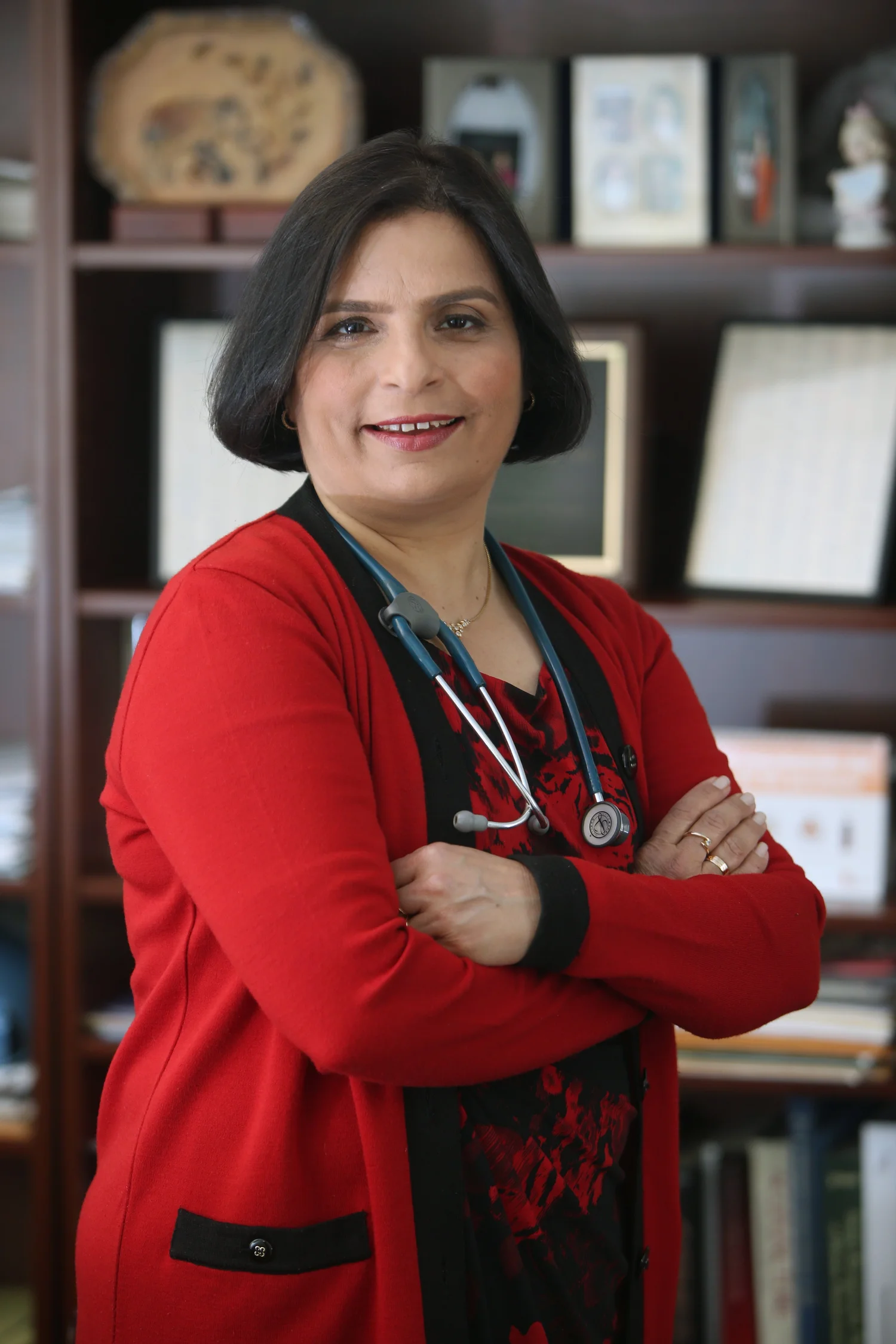
Medically reviewed by Harsha Moole, MD, Internal Medicine. Last reviewed: October 2, 2026.
What kind of doctor treats Congenital Sucrase Isomaltase Deficiency?
A primary care doctor, such as a pediatrician, is often the first to suspect the condition and order early tests. If the diagnosis seems likely, the patient is usually referred to a gastroenterologist, with a registered dietitian often joining the care team.
What it is
Congenital sucrase isomaltase deficiency is a condition a person is born with. The small intestine does not make enough of the enzyme sucrase isomaltase, which breaks down sucrose (table sugar) and starches. Undigested sugars pull in water and feed gas-producing bacteria in the colon, causing stomach pain, bloating, and loose stools.
Symptoms
Symptoms often start when a baby begins eating solid foods, cereals, or fruits.
- Watery diarrhea
- Bloating, a swollen or full feeling in the belly
- Gas and belly cramps
- Nausea
- Poor weight gain in babies and young children
Symptoms usually appear within minutes to hours after eating sucrose or starch.
Causes and who gets it
This condition is genetic. A child must inherit a changed copy of the gene from both parents; the parents usually have no symptoms. It is rare and seen more often in people with ancestors from Greenland, Alaska, or Canada.
How doctors diagnose it
Doctors often start by asking about symptoms and trigger foods. A common first step is a breath test, which measures hydrogen in exhaled air after the child drinks a sugar solution. Stool tests and genetic testing, which can confirm the diagnosis, are also used.
Treatment
The main treatment is diet: limiting sucrose and hard-to-digest starches. A dietitian can help build a plan that still gives a child enough calories to grow. A prescription enzyme replacement taken with meals helps break down sucrose and some starches. Supplements such as calcium and certain vitamins may be recommended.
When to see a doctor
Talk to a doctor if a baby or child has ongoing diarrhea, a swollen belly, or is not gaining weight as expected. Adults with long lasting bloating and loose stools after sugary or starchy meals should also get checked.
How a direct primary care or concierge doctor fits in
A direct primary care doctor is paid with a flat monthly fee instead of insurance; a concierge doctor works similarly but usually charges more. Because these doctors offer longer visits, they can take a detailed food history, order testing, and manage the condition directly, referring to a gastroenterologist if needed.
Common questions
Is congenital sucrase isomaltase deficiency the same as a sugar allergy?
No. An allergy involves the immune system and can cause dangerous reactions. This condition is a digestion problem. The gut simply cannot break down certain sugars, which leads to stomach symptoms.
Will children outgrow it?
No. Because it is genetic, the enzyme shortage lasts a lifetime. Many people do get better at managing it. Some report milder symptoms as they get older, but results differ from person to person.
Can it be cured?
There is no cure. The condition is usually managed well with diet changes and prescription enzyme replacement taken with meals.
What happens if it is not treated?
Undigested sugar can cause ongoing diarrhea, poor weight gain, and low levels of certain nutrients in children. Over time this can affect growth. This is why testing and a care plan matter.
Sources
- NIH Genetic and Rare Diseases Information Center - Sucrase-isomaltase deficiency
- MedlinePlus Genetics - Congenital sucrase-isomaltase deficiency
Medical Disclaimer
This content is for general educational and informational purposes only and is not medical advice. It is not a substitute for professional medical advice, diagnosis, or treatment, and reading it does not create a doctor-patient relationship. Always seek the advice of your physician or another qualified health provider with any questions about a medical condition, and never disregard or delay seeking professional advice because of something you read here. If you think you may have a medical emergency, call 911 (or your local emergency number) immediately.