






Congenital Erythropoietic Porphyria: Causes, Symptoms, and Treatment
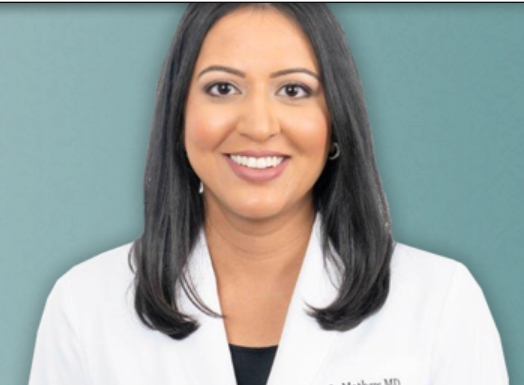
Medically reviewed by Harsha Moole, MD, Internal Medicine. Last reviewed: October 2, 2026.
What kind of doctor treats Congenital Erythropoietic Porphyria?
A primary care doctor is often the first to notice the signs and order early tests. Most people with this rare disease are also treated by specialists. A hematologist treats blood disorders and helps manage anemia and transfusions, a dermatologist cares for sun damage, and some patients see a geneticist for testing and family counseling.
What it is
Congenital erythropoietic porphyria is a very rare inherited disease. It affects how the body makes heme, the iron-rich part of blood. People with this condition lack enough of one working enzyme, so substances called porphyrins build up in the bone marrow, blood, skin, and other organs. When these substances touch sunlight, they react and damage the skin.
Symptoms
Symptoms often start in infancy or early childhood. The most common sign is extreme sensitivity to sunlight. Sun-exposed skin can blister, hurt, or form open sores that may heal with scarring, and repeated damage can change the skin's appearance over time. Other signs include reddish urine and reddish-stained teeth.
Causes and who gets it
This condition is caused by changes in a gene called UROS, which a child inherits from both parents. The changed gene stops the body from making enough of a working enzyme. It is very rare, with only a few hundred cases reported worldwide, and boys and girls are affected equally.
How doctors diagnose it
Doctors look at the symptoms and run tests on blood, urine, and stool to measure porphyrin levels. High levels of certain porphyrins point to the condition. Genetic testing can confirm the diagnosis by finding the changed UROS gene.
Treatment
There is no cure, but treatment can lower porphyrin levels and protect the skin. Care focuses on strict sun protection, treating anemia, and preventing complications. In severe cases, doctors may recommend bone marrow transplantation, which has helped some patients.
When to see a doctor
See a doctor if a child has blistering or painful skin after sun exposure, reddish urine, or reddish-stained teeth. Anyone already diagnosed should get medical help for skin wounds that will not heal, signs of infection, worsening tiredness, or a swollen belly. Early care can prevent some complications.
How a direct primary care or concierge doctor fits in
A direct primary care doctor is paid a flat monthly fee instead of insurance billing. A concierge doctor usually charges more and often works alongside insurance. Either kind of doctor can spend extra time coordinating this complex condition, including monitoring blood counts and reviewing sun protection habits. When transfusions, transplant evaluation, or genetic testing are needed, the doctor would refer the patient to a specialist and stay involved to coordinate care.
Common questions
Is congenital erythropoietic porphyria contagious?
No. It is an inherited condition, which means it is passed through genes at birth. A person cannot catch it from someone else.
Can people with this condition go outside?
Many people can go outside with careful protection, such as covering clothing, hats, and shade. Doctors often help patients find a safe balance. Some sunlight exposure may be needed for vitamin D.
Can it be passed to my children?
The disease is inherited only when a child receives a changed gene from both parents. A genetic counselor can explain the chances for a specific family.
Does it shorten life?
Severity varies a lot from person to person. Some people have mild problems while others have serious complications. Ongoing medical care matters.
Sources
- National Organization for Rare Disorders - Congenital Erythropoietic Porphyria
- NCBI Bookshelf - Congenital Erythropoietic Porphyria
- American Porphyria Foundation - Congenital Erythropoietic Porphyria (CEP)
Medical Disclaimer
This content is for general educational and informational purposes only and is not medical advice. It is not a substitute for professional medical advice, diagnosis, or treatment, and reading it does not create a doctor-patient relationship. Always seek the advice of your physician or another qualified health provider with any questions about a medical condition, and never disregard or delay seeking professional advice because of something you read here. If you think you may have a medical emergency, call 911 (or your local emergency number) immediately.