







Childhood Iron Deficiency Anemia: Causes, Symptoms, and Treatment
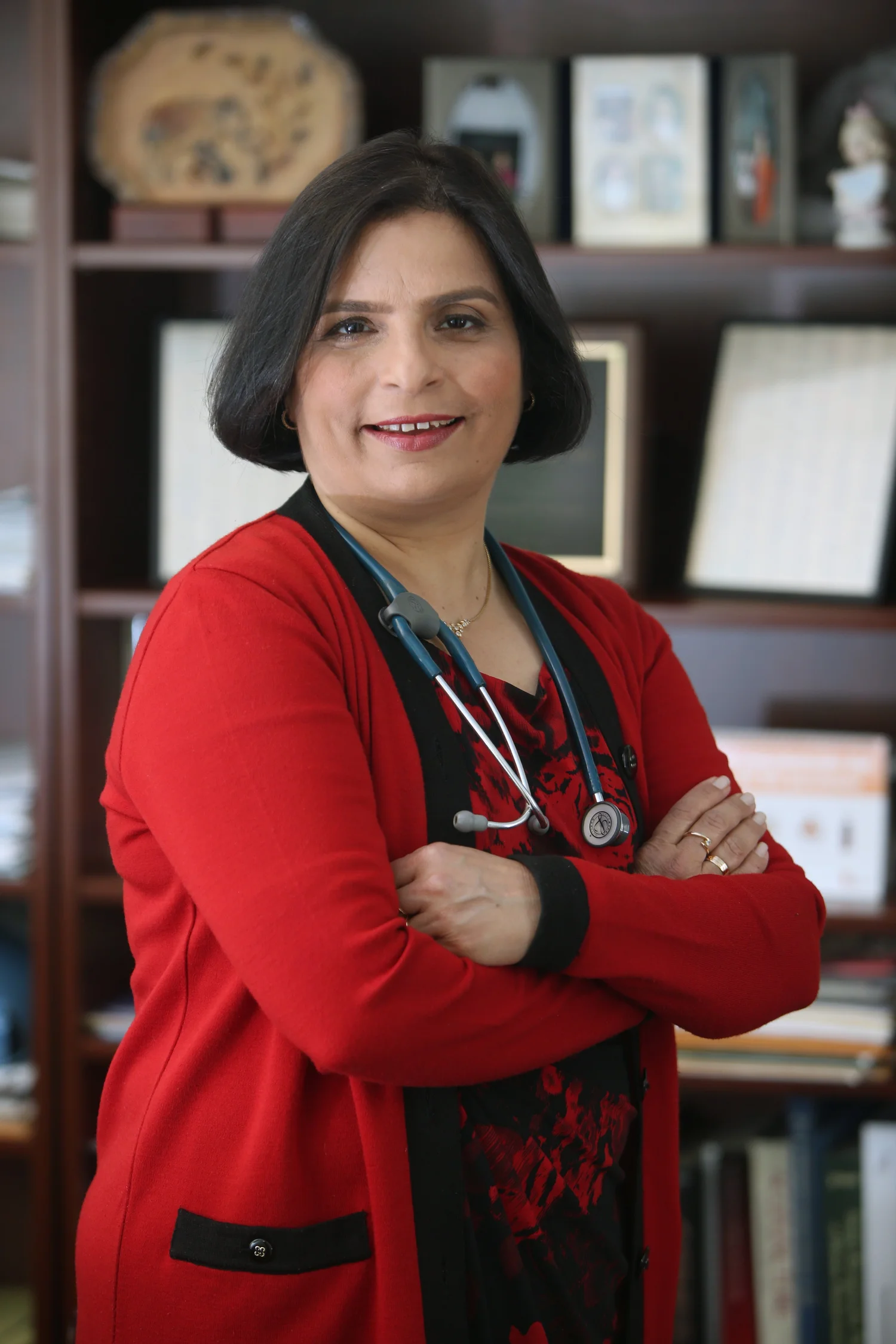
Medically reviewed by Harsha Moole, MD, Internal Medicine. Last reviewed: October 2, 2026.
What kind of doctor treats Childhood Iron Deficiency Anemia?
Most children are treated first by a pediatrician. A hematologist, a doctor who specializes in blood disorders, may become involved if the anemia is severe or does not improve. A direct primary care or concierge doctor can also order tests and manage simple cases, referring to a hematologist if needed.
What it is
Iron deficiency anemia is a condition in which the blood lacks healthy red blood cells because the body is low on iron. Iron helps the body make hemoglobin, the part of red blood cells that carries oxygen. Without enough iron, a child's tissues and organs may not get all the oxygen they need. It is common in babies, toddlers, and teenagers and is usually treatable.
Symptoms
Many children with mild anemia feel fine at first. Symptoms, when they appear, include pale skin, tiredness, weakness, crankiness, and trouble focusing. Some children crave non-food items like ice or dirt, a craving called pica.
Causes and who gets it
The most common cause is too little iron in the diet. Babies who drink cow's milk too early are at higher risk, since cow's milk has little iron and can cause small amounts of blood loss in the gut. Rapid growth, digestive conditions such as celiac disease, and premature birth also raise the risk.
How doctors diagnose it
A doctor asks about the child's diet, growth, and symptoms and does a physical exam. The main test is a complete blood count, often along with hemoglobin and ferritin checks, using a small blood sample.
Treatment
Treatment usually involves iron supplements, often given as a liquid or chewable tablet, typically with vitamin C to help absorption. Cow's milk intake is usually limited during treatment. Most children improve over weeks to months, and treatment often continues for several months after blood counts look normal to rebuild iron stores.
When to see a doctor
Call the doctor if the child seems unusually tired, pale, or irritable, or craves non-food items. Seek care promptly for blood in the stool, shortness of breath, or a fast heartbeat. Doctors often screen for anemia around age one.
Common questions
Can iron deficiency anemia affect how my child does in school?
Low iron can make a child tired and less able to focus. Some studies link it to slower development in young children. Treating the low iron usually helps energy and attention, though how quickly a child bounces back differs from child to child.
Is it safe to give my child iron supplements without a test?
Doctors generally recommend testing before starting supplements. Too much iron can be harmful, and the symptoms of anemia can have other causes. A simple blood test can confirm whether iron is truly the problem. Always keep iron supplements away from young children, since accidental overdoses can be dangerous.
What foods are good sources of iron for kids?
Good sources include lean meats, beans, lentils, eggs, and iron-fortified cereals. Pairing these foods with vitamin C sources like oranges, strawberries, or tomatoes helps the body absorb the iron. Limiting cow's milk to a reasonable amount also helps, since too much milk can crowd out iron-rich foods.
How long does treatment take?
Most children feel better within a few weeks of starting iron. Blood counts usually take longer to return to normal. Doctors often continue treatment for several months after counts improve. The exact length depends on how low the iron was and the child's overall health.
Sources
- MedlinePlus - Iron deficiency anemia
- National Heart, Lung, and Blood Institute - Iron-Deficiency Anemia
Medical Disclaimer
This content is for general educational and informational purposes only and is not medical advice. It is not a substitute for professional medical advice, diagnosis, or treatment, and reading it does not create a doctor-patient relationship. Always seek the advice of your physician or another qualified health provider with any questions about a medical condition, and never disregard or delay seeking professional advice because of something you read here. If you think you may have a medical emergency, call 911 (or your local emergency number) immediately.