






Ambras Syndrome: Causes, Symptoms, and Treatment
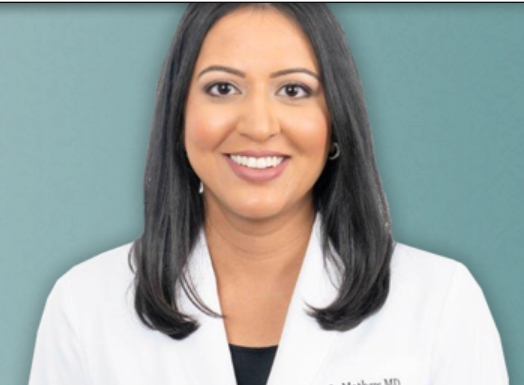
Medically reviewed by Harsha Moole, MD, Internal Medicine. Last reviewed: October 2, 2026.
What kind of doctor treats Ambras Syndrome?
A primary care doctor is often the first doctor a person sees and can begin the evaluation. A dermatologist treats skin and hair conditions and can help with hair removal options. A geneticist can confirm the diagnosis with testing. A counselor or mental health provider can support emotional well-being.
What it is
Ambras syndrome is a very rare genetic condition. People with it grow an unusual amount of soft hair all over the body, including the face and ears. This extra hair growth is called hypertrichosis. It is not dangerous but can affect how a person feels about their appearance.
Symptoms
The main sign is thick, soft hair covering much of the body and face, often present at birth or in early childhood. Some people also have changes in the teeth or unusual facial features. The extra hair does not harm the body but can cause emotional stress.
Causes and who gets it
Ambras syndrome is caused by a change in a person's genes, in some cases near a gene on chromosome 8. It can be passed from a parent to a child, or it can appear for the first time with no family history. Only a small number of cases have been reported worldwide.
How doctors diagnose it
Doctors usually start with a physical exam and a medical history, looking at the pattern of hair growth and checking for other features. Genetic testing, which uses a blood or saliva sample, can confirm the diagnosis. Doctors may also rule out other causes, such as certain medicines or hormone problems.
Treatment
There is no cure, so treatment focuses on managing the hair growth. Some people choose to remove or reduce the hair using shaving, waxing, laser treatment, or prescription creams that slow hair growth. Many people also benefit from support for the emotional side of the condition.
When to see a doctor
Anyone with unusual hair growth that starts in childhood or is present at birth should talk to a doctor. Sudden extra hair in an adult should also be checked. A doctor can also help if the hair growth causes sadness or anxiety.
How a direct primary care or concierge doctor fits in
A direct primary care doctor charges a flat monthly fee instead of billing insurance, while a concierge doctor usually costs more and often works alongside insurance. Because these doctors have smaller patient panels, they have more time to listen and coordinate care with specialists.
Common questions
Can Ambras syndrome be cured?
No, there is no cure, because the condition comes from a change in a person's genes. The hair growth can be managed with removal methods if a person chooses. Results differ from person to person.
Is Ambras syndrome dangerous?
The extra hair itself does not harm the body. The main challenges are usually emotional and social. Some people may have other physical features that a doctor can monitor.
Will my children inherit it?
In some families, the condition is passed from parent to child. A genetic counselor can help a family understand the chances. This is a trained expert who explains inherited conditions. Each family's situation is different.
Does shaving make the hair grow back thicker?
No, shaving does not change how hair grows. It only cuts the hair at the surface, which can make the tip feel rougher. The hair itself stays the same.
Sources
Medical Disclaimer
This content is for general educational and informational purposes only and is not medical advice. It is not a substitute for professional medical advice, diagnosis, or treatment, and reading it does not create a doctor-patient relationship. Always seek the advice of your physician or another qualified health provider with any questions about a medical condition, and never disregard or delay seeking professional advice because of something you read here. If you think you may have a medical emergency, call 911 (or your local emergency number) immediately.

