






Acute Febrile Neutrophilic Dermatosis: Causes, Symptoms, and Treatment
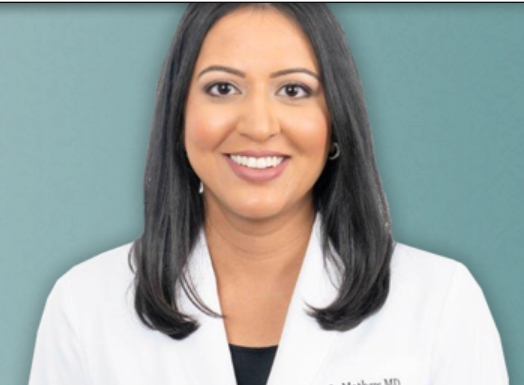
Medically reviewed by Harsha Moole, MD, Internal Medicine. Last reviewed: October 2, 2026.
What kind of doctor treats Acute Febrile Neutrophilic Dermatosis?
A dermatologist usually diagnoses and treats this condition. A primary care doctor often spots the problem first and sends the patient to a dermatologist. If the condition is linked to another illness, other specialists may be involved. A direct primary care or concierge doctor can be a first stop for an evaluation and can refer you to a specialist when needed.
What it is
Acute febrile neutrophilic dermatosis is a rare skin condition that doctors also call Sweet syndrome. The name means fever, a buildup of neutrophils (a type of white blood cell) in the skin, and a skin problem. People with this condition develop painful, tender bumps or patches, usually on the arms, face, neck, or upper body. The condition often appears suddenly. Fever, tiredness, and aching joints are common.
Symptoms
The most noticeable sign is a sudden outbreak of painful, red or purple bumps and patches, often on the face, neck, arms, or upper trunk. Many people also have fever and feel tired or achy. Because the rash can look like an infection or an allergic reaction, it is easy to mistake it for something else at first.
Causes and who gets it
Doctors do not always know why Sweet syndrome happens. In many cases, it is a reaction to something else going on in the body, such as an infection, certain medicines, or a blood disorder. It is rare, affects adults more often than children, and is more common in women.
How doctors diagnose it
There is no single test for this condition. A doctor starts by looking at the skin and asking about fever, recent infections, and new medicines. To confirm the diagnosis, a doctor may take a small sample of skin, called a biopsy. Doctors also check for other conditions that can look similar.
Treatment
Sweet syndrome often gets better with treatment. The most common treatment is a corticosteroid, a medicine that calms inflammation, taken as pills or applied to the skin. Treating any underlying cause also matters. Even without treatment, the rash can sometimes go away on its own, though it can take weeks and may come back.
When to see a doctor
Anyone who develops a sudden, painful rash with fever should see a doctor promptly. The same is true if a rash appears along with tiredness, joint pain, or feeling generally unwell. Getting checked early helps doctors find the right cause.
How a direct primary care or concierge doctor fits in
A direct primary care doctor charges a flat monthly fee instead of billing insurance. A concierge doctor usually charges more and often works alongside insurance. These doctors often have longer appointments and can order blood tests and examine the skin. If they suspect Sweet syndrome, they will usually refer the patient to a dermatologist.
Common questions
Is Sweet syndrome contagious?
No. The rash cannot spread from person to person. It comes from processes inside the body, not from germs passed between people.
Will the rash leave scars?
Usually not. In most cases the skin heals without scarring once the condition improves. Some people notice temporary dark or light patches where the rash was. These often fade over time.
Can Sweet syndrome come back?
Yes, it can return in some people, especially if the underlying cause is still present. Regular follow-up with a doctor helps catch repeat episodes early.
Is it a form of cancer?
No. Sweet syndrome is not cancer. However, it can sometimes appear alongside blood disorders, so doctors often run tests to check for related conditions.
Sources
- NIH Genetic and Rare Diseases Information Center - Acute febrile neutrophilic dermatosis
- MedlinePlus - Skin Conditions
Medical Disclaimer
This content is for general educational and informational purposes only and is not medical advice. It is not a substitute for professional medical advice, diagnosis, or treatment, and reading it does not create a doctor-patient relationship. Always seek the advice of your physician or another qualified health provider with any questions about a medical condition, and never disregard or delay seeking professional advice because of something you read here. If you think you may have a medical emergency, call 911 (or your local emergency number) immediately.